What Is Oxidative Stress, Causes, Risks and How to Protect Yourself
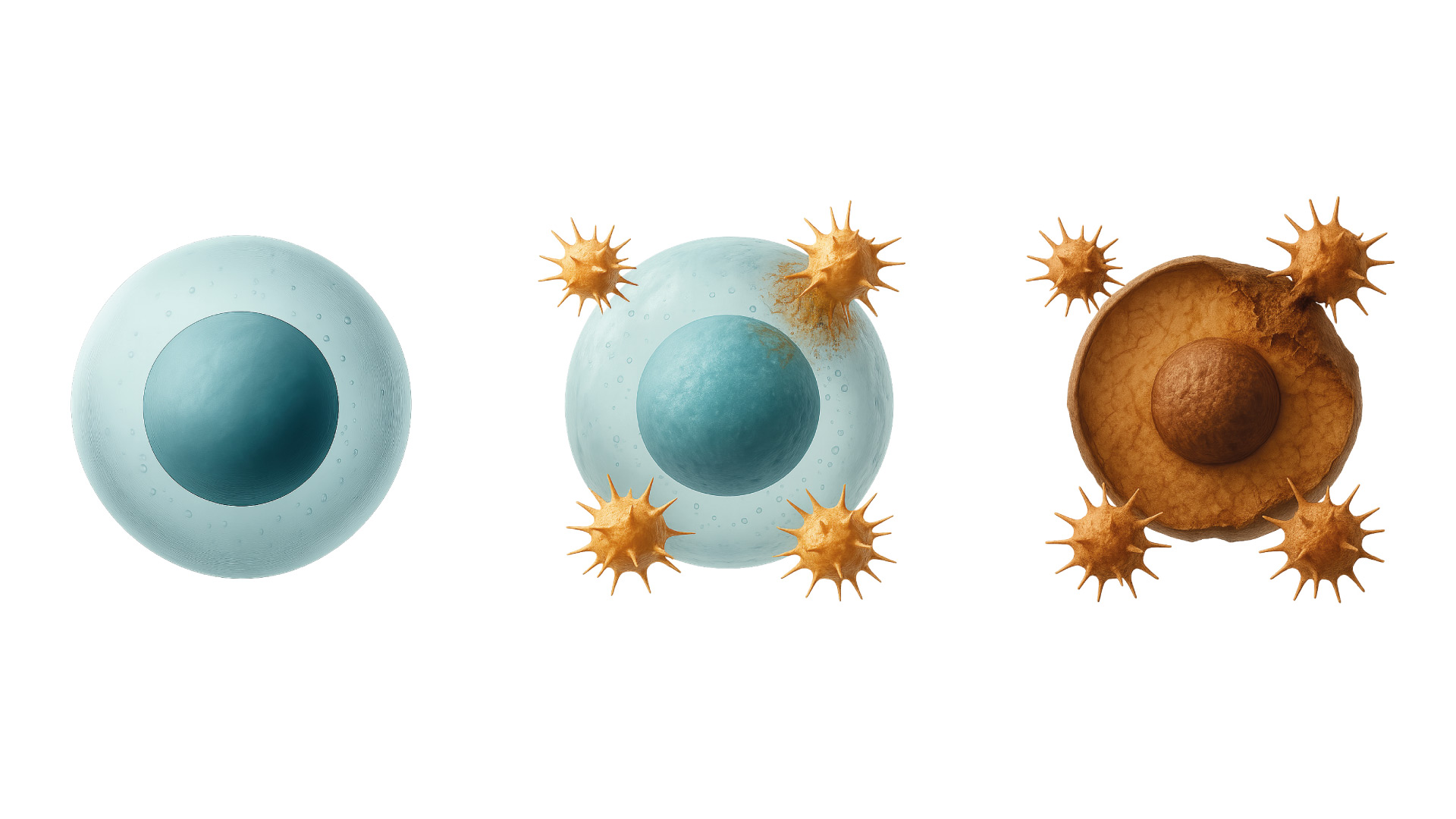

Oxidative stress is a biological phenomenon often discussed in relation to aging, chronic diseases, and skin health. But what exactly is it? What causes it, and most importantly, how can we combat it in our daily lives?
In this article, we will explore oxidative stress, its effects on the body, and the best methods to prevent and address it.
What is Oxidative Stress?
Oxidative stress refers to an imbalance between the production of free radicals and the body’s ability to neutralize them through antioxidants. Free radicals are unstable molecules that naturally form during metabolic processes. In small amounts, they serve useful functions in certain biological processes, such as the immune response. However, when their production becomes excessive and is not balanced by antioxidants, they can damage cells, proteins, and DNA. This damage accelerates the aging process and increases the risk of various diseases.
Oxidative stress can be caused by several factors, both internal (endogenous) and external (exogenous).
1. Internal (Endogenous) Causes:
2. External (Exogenous) Causes
By understanding oxidative stress and itscauses, we can take proactive steps to protect ourselves and improve ouroverall health.
Risks and Consequences ofOxidative Stress
If left unchecked, oxidative stress can contribute to the development of various Chronicpathologies And Cell Damage. Among the most common consequences are:
🧑 Premature aging —The skin loses elasticity, wrinkles and skin spots appear.
❤️ Cardiovasculardiseases — The oxidation of LDL (bad cholesterol) can promote atherosclerosis.
🧠 Cognitivedecline — It has been associated with neurodegenerative diseases such as Alzheimer's and Parkinson's.
♻️ Damageto DNA — Oxidative stress may increase the risk of genetic mutations and cancers.
💪 Decreasedphysical performance — An excess of free radicalsimpairs muscle function and ability to recover after training.
How to Prevent and CombatOxidative Stress?
Our body has Natural Defense Systems, but we can help him with healthy lifestyle choices.
1. Antioxidant nutrition
Diet plays a key role inthe fight against oxidative stress. It's important to include:
✅ Fresh fruits andvegetables — Rich in vitamins A, C and E, polyphenols and flavonoids (e.g.blueberries, citrus fruits, tomatoes, spinach, cabbage, carrots).
✅ Healthy fats —Extra virgin olive oil, avocado, nuts and blue fish are essential to reduce oxidative damage.
✅ Foods rich inselenium and zinc — Found in seafood, pumpkin seeds and whole grains, they help the production of antioxidant enzymes.
✅ Green tea and darkchocolate — Powerful sources of catechins and flavonoids with protective action against free radicals.
2. Antioxidant Supplements
When the diet is not enough, you can take supplements of:
🔹 Vitamin C and Vitamin E —They protect cells from oxidative damage.
🔹 Glutathione and Coenzyme Q10 — Powerful antioxidants that promote cell regeneration.
🔹 Resveratrol and Curcumin — Present in red wine and turmeric, they have anti-inflammatory and anti-aging properties.
3. Skin Protection
Oxidative stress also affects the skin, so it's essential to:
🧴 Use daily sunscreen toa void UV damage.
💦 Moisturizeyour skin with creams and serums rich in hyaluronica cid and vitamin C.
🛌 Get Enough Sleep to allow the natural process of cellr egeneration.
4. Balanced Lifestyle
In addition to nutrition, there are other measures that reduce oxidative stress:
🚶 Moderate and regular physical activity — Improves the body's natural antioxidant response.
🧘 Stress Management — Techniques such as meditation, yoga and deep breathing help reduce the production of free radicals.
🚫 Avoid smoking and alcohol — Tobacco and alcohol increase oxidative stress exponentially.
Conclusion: Balance is the Key
Oxidative stress It is a natural process, but when it becomes excessive it can accelerate aging and increase the risk of diseases. Fortunately, with a balanced diet, a correct lifestyle and skin protection, we can Counteract It Effectively and improve our long-term health.
📢 Was this article helpful to you? Share it with those who could benefit from it!
To consult the Bibliography Click HERE

.png)